Application of metal mesh in architecture
Metal mesh, also known as architectural mesh or wire mesh, finds numerous applications in architecture and building design. Its versatility, durability, and aesthetic appeal make it a popular choice for both functional and decorative purposes. Here are some common applications of metal mesh in architecture:
Facade Cladding: Metal mesh is often used as an exterior cladding material for building facades. It provides a modern and visually striking appearance while allowing for ventilation and daylight penetration. The mesh can be customized to create intricate patterns and designs.
Ceiling Panels: Metal mesh can be installed as ceiling panels in interior spaces. It offers a unique and industrial design element while providing acoustic benefits by diffusing sound.
Room Dividers and Partitions: Metal mesh is used to create room dividers and partitions in open-plan offices, hotels, and residential spaces. It offers a semi-transparent barrier that maintains visual connectivity while defining separate areas.
Security Screens: Metal mesh can be integrated into security screens for doors and windows. It enhances security without compromising visibility or airflow.
Art Installations: Architects and artists use metal mesh for art installations, sculptures, and creative designs within buildings or outdoor spaces.
Signage and Branding: Perforated metal panels with logos or text cut into them are used for signage and branding on building exteriors.
Green Facades: Metal mesh can serve as a support structure for climbing plants and green facades, adding a natural element to building exteriors.
Acoustic Panels: Perforated metal mesh is used in acoustic panels to improve sound absorption in spaces like theaters, auditoriums, and conference rooms.
Exhibition Spaces: Metal mesh is utilized in exhibition spaces, museums, and galleries for its transparency and ability to display objects while providing security.
Safety Nets: In certain applications, metal mesh is used as safety nets or fall protection systems in atriums or open spaces.
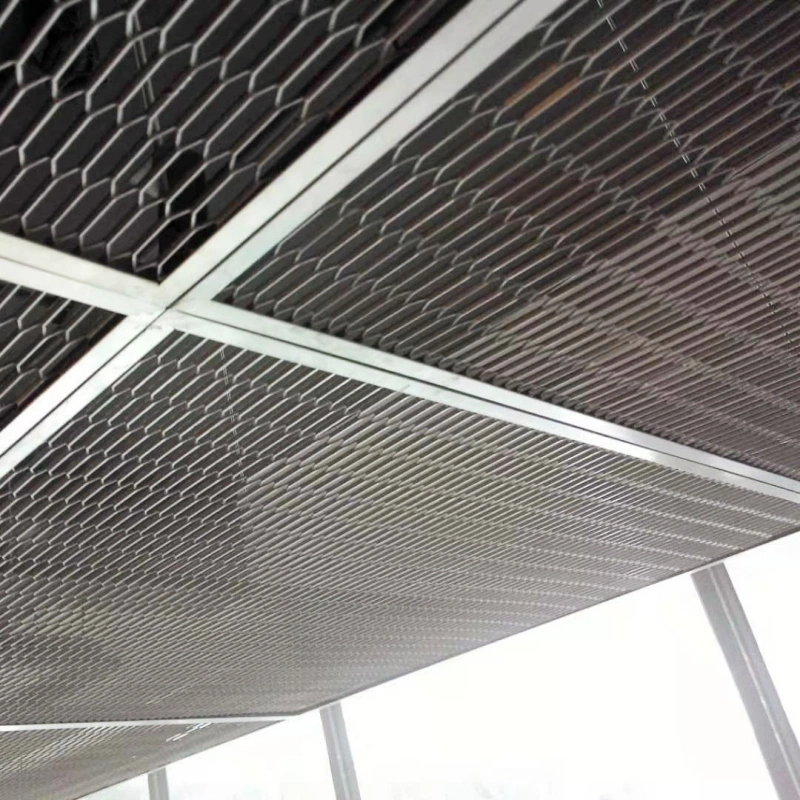
Expanded wire mesh for ceiling
Expanded wire mesh for ceilings is a type of architectural mesh used in ceiling design. It is available in a wide range of materials, including steel, aluminum, or stainless steel and features an expanded or perforated pattern.
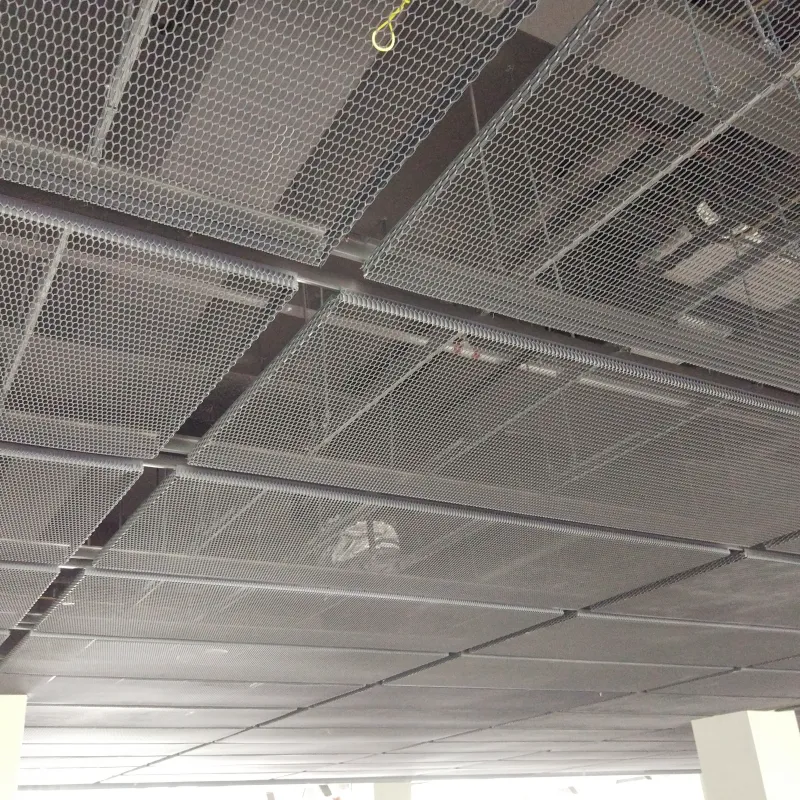
Decorative expanded metal for ceiling
Aluminum expanded metal mesh has the advantages of light weight, sound insulation, etc. Expanded metal mesh is a widely used in the design of ceiling and metal ceiling tiles, especially in hotel, stadium, technical center, airport, railway station, library.
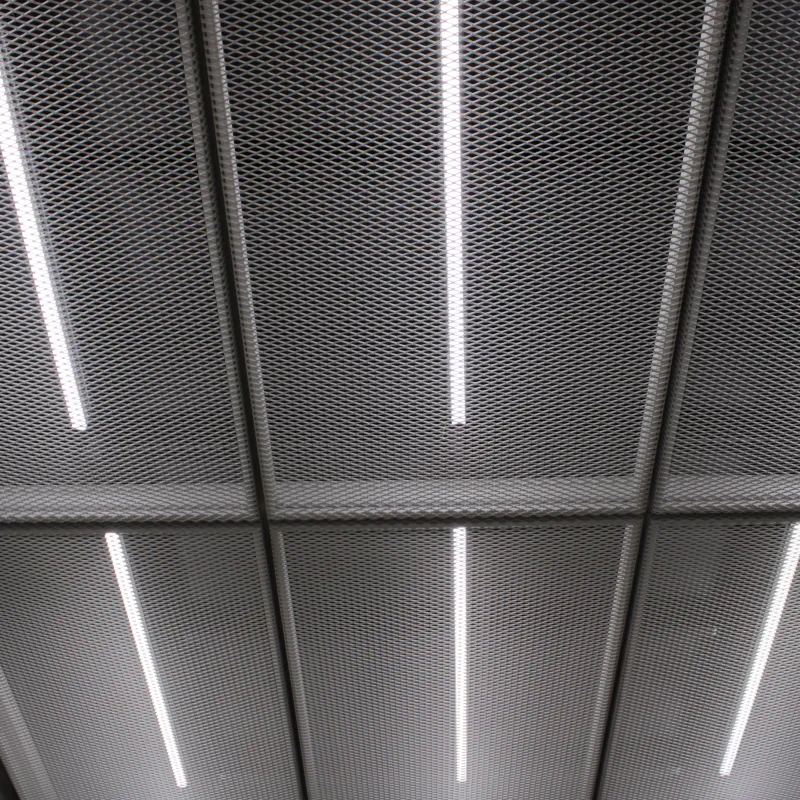
Expanded metal ceiling
Expanded Metal Mesh is very suitable. It is used in the design of making ceiling more innovative and beautiful, and the ceiling is a kind of representative decorative element of modern architecture. To meet the needs of more styling design, it is not...
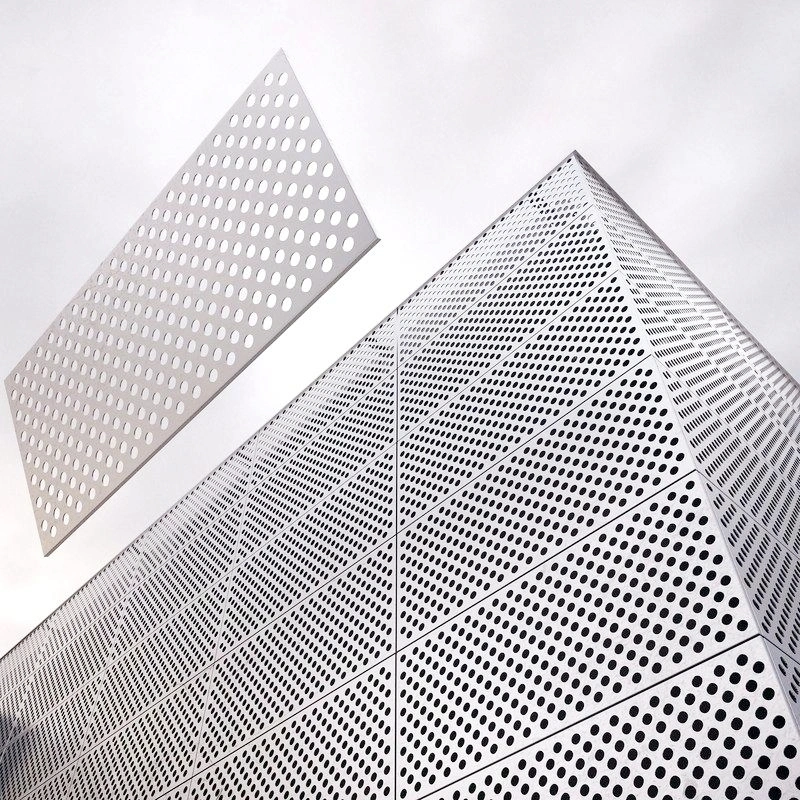
Architectural perforated metal
Architectural perforated metal, often referred to as perforated metal or architectural mesh, is a versatile material used in architectural and interior design applications. It is a type of metal sheet (typically steel, aluminum, or mild steel) that have been processed to create a pattern of holes or perforations in the material. These perforations can vary in size, shape, and spacing to achieve specific design and functional objectives.
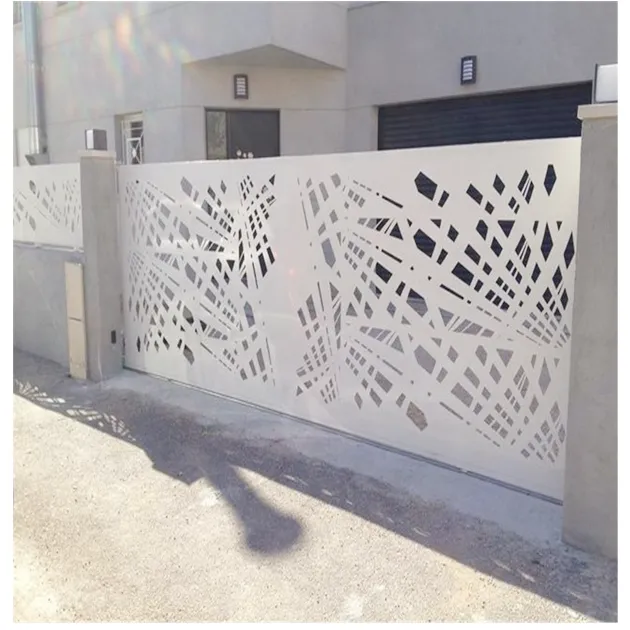
Decorative privacy screens
Decorative privacy screens are ornamental panels or dividers designed to enhance both the aesthetic appeal and privacy of a space. These screens come in various materials, styles, and sizes.
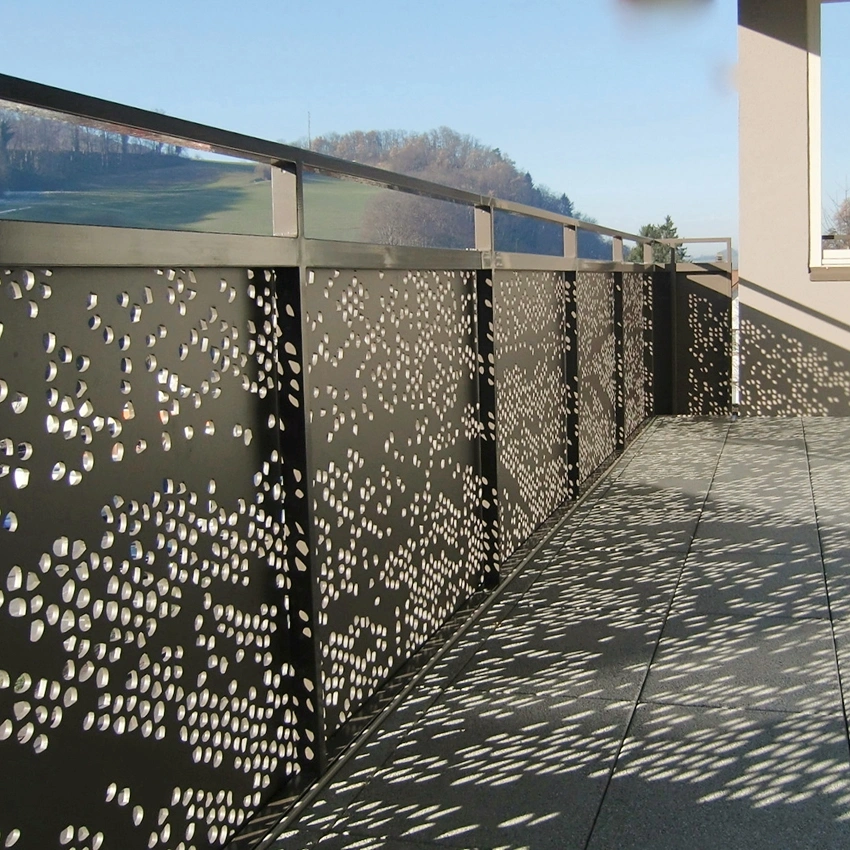
Laser cut metal fence panels
Laser-cut metal fence panels are decorative fencing panels that have been created using laser cutting technology. This technology allows for precise and intricate patterns to be designed and cut into the fencing material. These panels are typically made of materials like steel or platinum, with exceptional accuracy and detail.
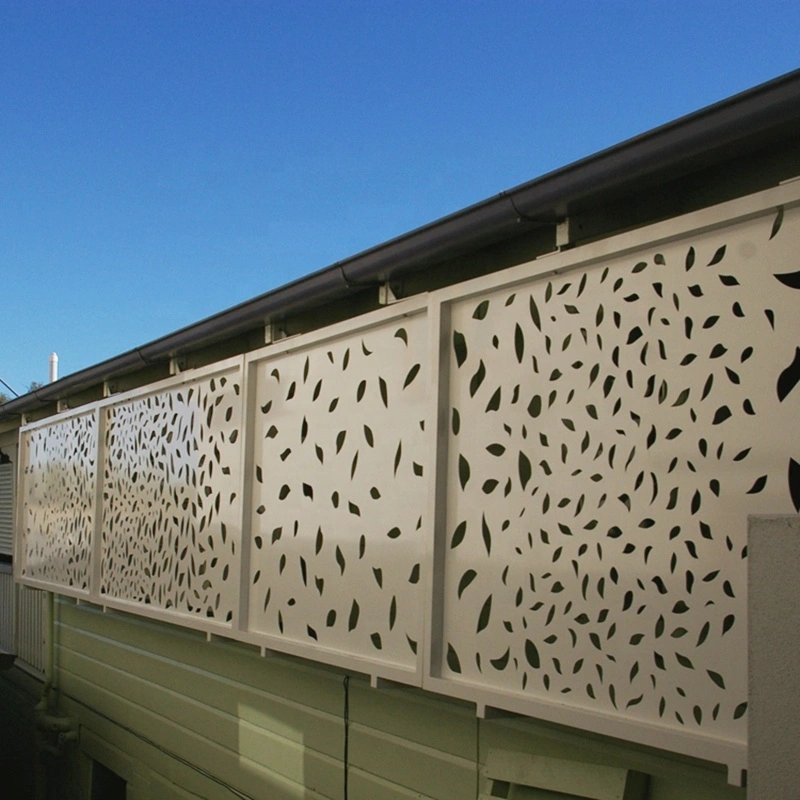
Laser cut privacy screen
A laser-cut privacy screen is a decorative screen or panel used primarily for enhancing privacy while also serving as an artistic or decorative element to an outdoor or indoor space. These screens are created using laser cutting technology, which allows for intricate and precise patterns to be cut into various materials, commonly metal or wood.
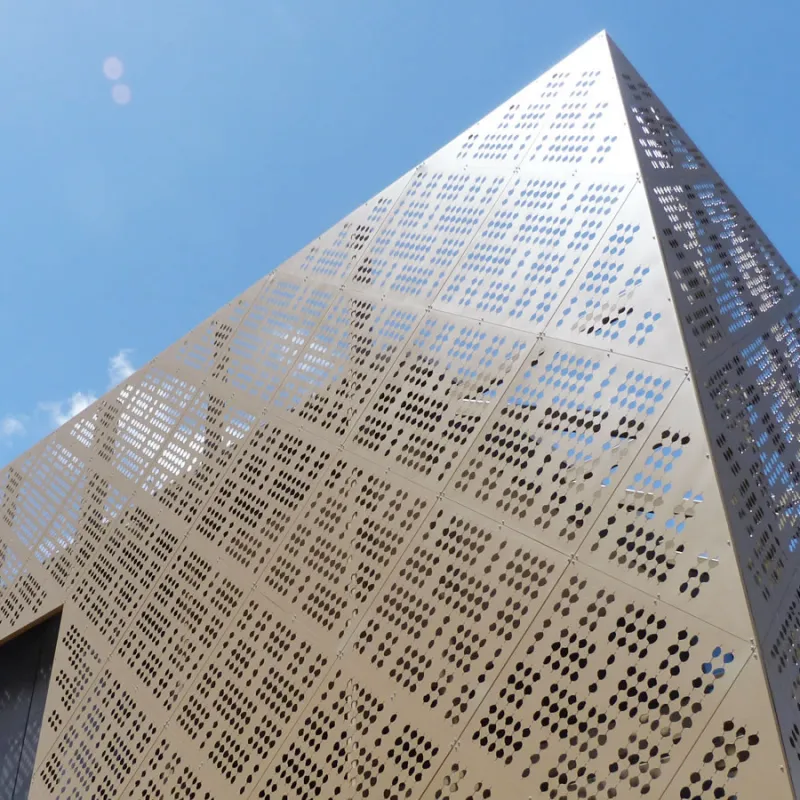
Laser cut wall panels
Laser-cut wall panels are decorative panels created using laser cutting technology, which precisely cuts intricate patterns and designs into various materials, typically metal or wood. These panels are primarily used as wall coverings or cladding to enhance the visual appeal and aesthetics of interior or exterior walls.
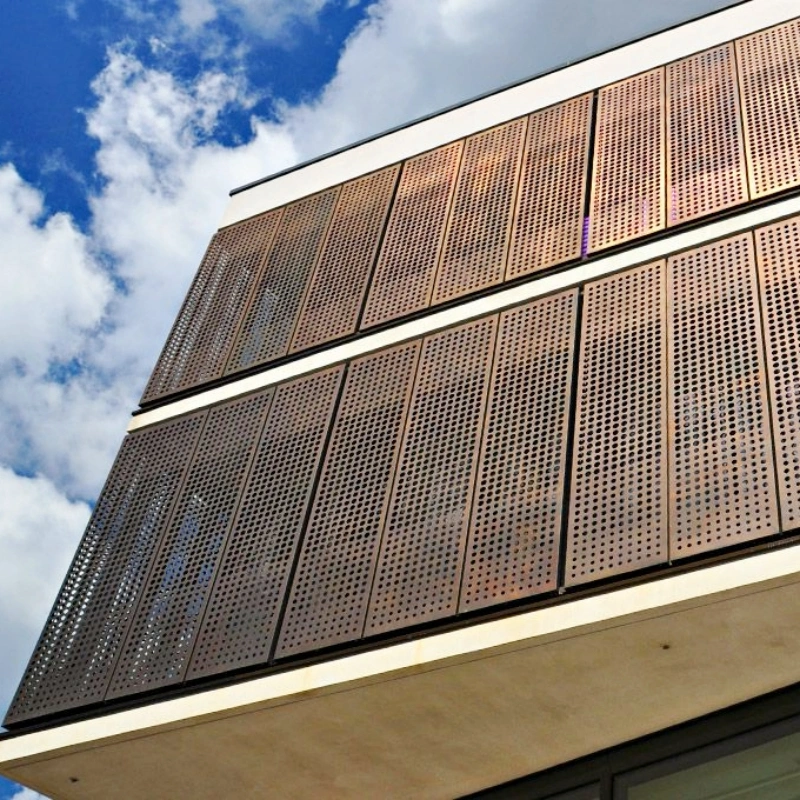
Round hole perforated sheet
A round hole perforated sheet, also known as perforated metal sheet or perforated plate, is a sheet of material (typically metal) that has been mechanically stamped or punched to create a pattern of evenly spaced, round holes. These holes can vary in diameter, spacing, and arrangement, depending on the specific design and application requirements.
