
Custom metal fabrication is a cornerstone of modern manufacturing, enabling industries and architects to create tailored solutions for diverse applications. For a company like yours, specializing in Huijin metal meshes, understanding the cost dynamics of custom metal fabrication is essential. These meshes serve industrial needs—such as enclosures, filters, shelves, and walkways—and architectural purposes, like building facades, ceiling systems, and decorative fences. This article explores the key factors influencing custom metal fabrication costs, offering a detailed, knowledge-driven perspective relevant to your products.
What Is Custom Metal Fabrication?
Custom metal fabrication refers to the process of cutting, shaping, and assembling metal into specific designs based on unique project requirements. Unlike mass-produced metal products, custom metal fabrication caters to bespoke specifications, making it ideal for Huijin metal meshes used in both industrial and architectural settings. The process involves several stages—design, material selection, cutting, forming, and finishing—each contributing to the overall cost.
For industrial applications like enclosures or walkways, custom metal fabrication ensures durability and functionality under demanding conditions. In architectural uses, such as facades or ceiling systems, it emphasizes aesthetics alongside structural integrity. The versatility of Huijin metal meshes highlights why understanding fabrication costs matters.
Factors Influencing Custom Metal Fabrication Costs
1. Material Selection
The type of metal chosen significantly affects custom metal fabrication pricing. Huijin metal meshes can be made from materials like stainless steel, aluminum, or galvanized steel, each with distinct properties and costs. Stainless steel, prized for its corrosion resistance, is ideal for industrial filters or architectural facades but comes at a higher price than aluminum, which is lightweight and cost-effective for decorative fences. Material thickness also plays a role—thicker meshes for platforms or construction sites require more raw material, driving up expenses.
The type of metal chosen significantly affects custom metal fabrication pricing. Huijin metal meshes can be made from materials like stainless steel, aluminum, or galvanized steel, each with distinct properties and costs. Stainless steel, prized for its corrosion resistance, is ideal for industrial filters or architectural facades but comes at a higher price than aluminum, which is lightweight and cost-effective for decorative fences. Material thickness also plays a role—thicker meshes for platforms or construction sites require more raw material, driving up expenses.
2. Design Complexity
The intricacy of the design directly impacts custom metal fabrication costs. Simple industrial applications, like shelves or basic enclosures, involve straightforward cutting and forming, keeping expenses low. In contrast, architectural projects—like a perforated facade or an elaborate ceiling system—demand precision laser cutting or intricate patterns, increasing labor and machine time. For Huijin metal meshes, the balance between functionality and aesthetics often dictates design complexity, influencing the final price.
The intricacy of the design directly impacts custom metal fabrication costs. Simple industrial applications, like shelves or basic enclosures, involve straightforward cutting and forming, keeping expenses low. In contrast, architectural projects—like a perforated facade or an elaborate ceiling system—demand precision laser cutting or intricate patterns, increasing labor and machine time. For Huijin metal meshes, the balance between functionality and aesthetics often dictates design complexity, influencing the final price.
3. Production Techniques
Custom metal fabrication employs various methods, each with its cost implications. Common techniques for Huijin metal meshes include:
Custom metal fabrication employs various methods, each with its cost implications. Common techniques for Huijin metal meshes include:
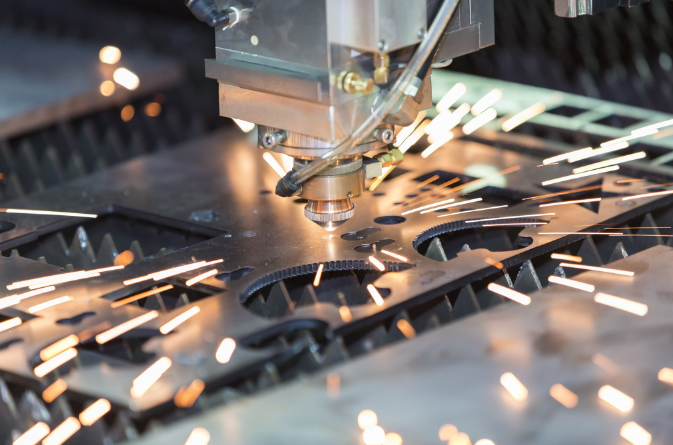
- Laser Cutting: Offers high precision for detailed architectural designs but is more expensive due to advanced equipment.
- Punching: Cost-effective for repetitive patterns in industrial filters or walkways.
- Welding and Assembly: Essential for robust enclosures or platforms, adding labor costs.
Finishing processes, like powder coating for decorative fences or galvanizing for construction-site durability, also contribute to the total expense.
4. Volume and Scale
The quantity of meshes ordered affects custom metal fabrication pricing. Small batches for a single architectural project may incur higher per-unit costs due to setup and tooling fees. Conversely, large-scale industrial orders—like filters or walkway panels—benefit from economies of scale, reducing the cost per piece. For Huijin metal meshes, aligning production volume with project needs is key to optimizing expenses.
The quantity of meshes ordered affects custom metal fabrication pricing. Small batches for a single architectural project may incur higher per-unit costs due to setup and tooling fees. Conversely, large-scale industrial orders—like filters or walkway panels—benefit from economies of scale, reducing the cost per piece. For Huijin metal meshes, aligning production volume with project needs is key to optimizing expenses.
5. Labor and Expertise
Skilled labor is a critical component of custom metal fabrication. Crafting a building facade or a load-bearing platform requires experienced welders, machinists, and designers. Labor costs vary by region and project complexity—architectural installations with tight tolerances demand more expertise than standard industrial shelves. Your company’s ability to supply versatile meshes underscores the importance of skilled fabrication tailored to each application.
Skilled labor is a critical component of custom metal fabrication. Crafting a building facade or a load-bearing platform requires experienced welders, machinists, and designers. Labor costs vary by region and project complexity—architectural installations with tight tolerances demand more expertise than standard industrial shelves. Your company’s ability to supply versatile meshes underscores the importance of skilled fabrication tailored to each application.
Custom Metal Fabrication Costs: A Breakdown
While exact pricing depends on project specifics, here’s a general cost framework for custom metal fabrication relevant to Huijin metal meshes:
- Raw Materials: $5–$50 per square meter, depending on metal type and thickness.
- Design and Prototyping: $100–$1,000 for complex architectural patterns; simpler industrial designs cost less.
- Fabrication Process: $10–$100 per hour for cutting, forming, and assembly, based on technique and equipment.
- Finishing: $2–$20 per square meter for coatings or treatments.
- Shipping and Installation: Variable, depending on project scale and location.
For a typical industrial enclosure or architectural facade using Huijin metal meshes, costs might range from $50 to $500 per unit, scaling with size and customization.
Applications and Cost Considerations for Huijin Metal Meshes
Industrial Uses
In industrial settings, custom metal fabrication for Huijin metal meshes prioritizes strength and utility. For example:
- Enclosures and Filters: Require durable materials and precise perforation, with moderate costs tied to material choice and punching techniques.
- Walkways and Platforms: Demand thick, load-bearing meshes, increasing material and welding expenses.
- Cost-saving tip: Standardize designs where possible to streamline production.
Architectural Uses
Architectural applications emphasize visual appeal and integration. For instance:
- Building Facades: Laser-cut patterns elevate costs but enhance aesthetics.
- Ceiling Systems and Fences: Lighter materials like aluminum reduce expenses while maintaining style.
- Cost-saving tip: Opt for modular designs to balance customization with efficiency.
How to Estimate Custom Metal Fabrication Costs for Your Project
To get a precise quote for Huijin metal meshes, consider these steps:
- Define Specifications: Detail the mesh size, thickness, material, and application (e.g., filter vs. facade).
- Consult Fabricators: Share drawings or samples with a custom metal fabrication provider for an accurate estimate.
- Evaluate Trade-offs: Balance cost with durability and design—cheaper materials may compromise longevity.
Your company’s diverse product range means costs can vary widely, but this process ensures clarity.
Trends Impacting Custom Metal Fabrication Costs
Advancements in technology, like CNC machining and 3D modeling, are reshaping custom metal fabrication. These tools enhance precision for Huijin metal meshes, potentially lowering labor costs over time. However, initial investments in such equipment may temporarily raise prices. Sustainability trends—using recycled metals or energy-efficient processes—could also influence material costs, aligning with modern industrial and architectural demands.
Conclusion
Custom metal fabrication costs for Huijin metal meshes hinge on materials, design, production methods, volume, and labor. Whether crafting industrial enclosures or architectural facades, understanding these factors empowers informed decisions. This isn’t about selling—it’s about sharing insights into a process that brings your versatile products to life. By grasping the nuances of custom metal fabrication, you can better navigate pricing for any project, industrial or architectural.
