
What Is a Perforated Metal Shelf?
A perforated metal shelf is a type of shelving system made from metal sheets that have been mechanically or chemically punched with a pattern of holes. These holes can vary in shape—round, square, slotted, hexagonal—and density, offering a balance between structural strength, air circulation, and visual design.
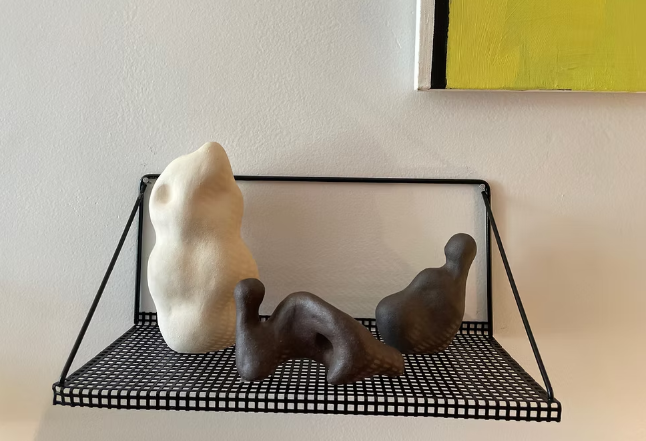
Perforated metal shelves are widely used in industrial environments for storage, ventilation, and filtering purposes. In architectural settings, they also serve decorative and functional roles—like ceiling systems, display units, or even minimalist furniture designs.
The choice of perforated metal shelf in various environments stems from its multiple advantages:
-
Lightweight yet durable
-
Corrosion-resistant when treated
-
Customizable in shape and pattern
-
Allows for drainage and air flow
-
Aesthetic flexibility for design settings
But despite these advantages, stability remains a primary concern for users—especially when the shelf is expected to bear significant loads or used in high-traffic areas.
Why Do Perforated Metal Shelves Need Stabilization?
Even the strongest materials can fail if the supporting framework is unstable or improperly installed. This is especially relevant for perforated metal shelves, where the perforation inherently reduces some of the material’s integrity.
Common reasons to stabilize a perforated metal shelf include:
-
Preventing collapse under heavy loads
-
Avoiding sway or wobble during use
-
Ensuring even weight distribution
-
Reducing wear and tear at joint points
-
Meeting workplace safety codes
-
Maintaining aesthetic and functional integrity
Without proper stabilization, the shelf may bend, tilt, vibrate, or even break over time, especially in high-demand environments like warehouses, workshops, or kitchens.
What Are the Main Factors That Affect Shelf Stability?
Before addressing how to stabilize a perforated metal shelf, it’s important to understand what factors influence its stability:
a. Material Thickness and Type
Thin metal sheets, while lightweight and cheaper, are more susceptible to bending or vibration. Thicker sheets or higher-grade metals like stainless steel provide more rigidity.
Thin metal sheets, while lightweight and cheaper, are more susceptible to bending or vibration. Thicker sheets or higher-grade metals like stainless steel provide more rigidity.
b. Perforation Pattern and Density
More perforations mean less metal—reducing strength. The shape and arrangement of the holes affect the shelf’s ability to distribute weight.
More perforations mean less metal—reducing strength. The shape and arrangement of the holes affect the shelf’s ability to distribute weight.
c. Mounting Method
Is the shelf wall-mounted, free-standing, or part of a larger racking system? The method of installation plays a major role in its stability.
Is the shelf wall-mounted, free-standing, or part of a larger racking system? The method of installation plays a major role in its stability.
d. Load Distribution
Concentrated loads in a single area can cause sagging. Proper load balancing prevents unnecessary strain.
Concentrated loads in a single area can cause sagging. Proper load balancing prevents unnecessary strain.
e. Support Structures
Brackets, frames, rails, and anchoring systems—each component must be properly designed and installed to prevent movement.
Brackets, frames, rails, and anchoring systems—each component must be properly designed and installed to prevent movement.
How to Stabilize a Perforated Metal Shelf: Step-by-Step Guide
a. Choose the Right Mounting Location
-
Ensure the floor or wall is flat and level.
-
Avoid areas with high moisture or temperature fluctuations unless your shelf is treated or coated.
b. Use Proper Mounting Hardware
For wall-mounted units:
-
Use expansion bolts or masonry anchors for concrete walls.
-
For drywall, opt for heavy-duty wall anchors or find studs to drill into.
For freestanding units:
-
Use adjustable leveling feet or anti-vibration pads.
-
Bolt the legs into the floor for permanent setups.
c. Install Cross Bracing and Diagonal Supports
Cross braces and diagonal bars reduce lateral movement. Use steel braces across the back or sides to form rigid triangles, which are structurally more stable.
Cross braces and diagonal bars reduce lateral movement. Use steel braces across the back or sides to form rigid triangles, which are structurally more stable.
d. Use Reinforced Brackets
Regular L-shaped brackets may not be enough for heavy-duty shelves. Opt for industrial-grade brackets that are:
Regular L-shaped brackets may not be enough for heavy-duty shelves. Opt for industrial-grade brackets that are:
-
Wider
-
Thicker
-
Corrosion-resistant
-
Welded or bolted to the frame
e. Secure the Perforated Metal Shelf to a Frame
Instead of relying solely on the shelf’s weight:
Instead of relying solely on the shelf’s weight:
-
Bolt or weld the shelf to the frame.
-
Use clamps for adjustable systems.
-
Add locking pins or rivets for fixed systems.
f. Avoid Overloading
-
Know the load capacity of your shelf.
-
Distribute weight evenly across the surface.
-
Avoid placing heavy items near the edges.
g. Add Anti-Slip and Shock-Absorbing Pads
Rubber pads or vinyl coatings help absorb minor vibrations and prevent sliding. Especially helpful in industrial setups with machines operating nearby.
Rubber pads or vinyl coatings help absorb minor vibrations and prevent sliding. Especially helpful in industrial setups with machines operating nearby.
What Are the Best Support Systems for Perforated Metal Shelves?
Some of the most commonly used support systems include:
a. Cantilever Brackets
Ideal for wall-mounted units. They provide open access beneath the shelf while maintaining load support.
Ideal for wall-mounted units. They provide open access beneath the shelf while maintaining load support.
b. Tubular Steel Frames
These are ideal for freestanding systems. Often used in industrial racking setups, they offer excellent stability with welded joints.
These are ideal for freestanding systems. Often used in industrial racking setups, they offer excellent stability with welded joints.
c. Angle Iron Frames
Used for heavy-duty storage. Their angular design offers strong vertical and lateral support.
Used for heavy-duty storage. Their angular design offers strong vertical and lateral support.
d. Modular Shelving Systems
Adjustable systems with standardized parts are commonly used in commercial and retail settings.
Adjustable systems with standardized parts are commonly used in commercial and retail settings.
How to Maintain Long-Term Stability?
Once installed, a perforated metal shelf requires periodic maintenance to retain stability:
-
Inspect bolts and brackets for loosening or corrosion every 3-6 months
-
Clean surfaces regularly to avoid rust and contamination buildup
-
Apply protective coatings to shelves used in damp environments
-
Replace worn or bent parts immediately
-
Check alignment and adjust support legs or feet if needed
Regular maintenance will prevent minor issues from evolving into major structural problems.
How Do Industrial and Architectural Settings Differ in Stabilization?
Industrial Use Cases
-
Focus on heavy-duty stability
-
Use thicker materials
-
Employ reinforced frames and braces
-
Prioritize functionality and durability over appearance
Architectural Use Cases
-
Emphasis on aesthetics
-
Hidden supports or integrated frames
-
Lighter materials
-
Use in suspended ceilings, decorative walls, or modern furniture
For example, Huijin Metal Mesh produces perforated metal panels that balance strength and aesthetic appeal, making them suitable for both functional and decorative purposes.
Can Custom Fabrication Help Improve Shelf Stability?
Yes, customization allows for better integration with the intended environment. Benefits include:
-
Adjusting the hole pattern to balance airflow and strength
-
Selecting the correct thickness for load-bearing
-
Customizing the frame design for specific architectural requirements
-
Adding reinforced ribs or bent edges for added strength
What Are Some Common Mistakes to Avoid?
-
Using inadequate mounting hardware
-
Ignoring load distribution guidelines
-
Overlooking the effect of perforation patterns
-
Failing to consider environmental conditions
-
Choosing a non-specialized frame for heavy-duty usage
Avoiding these mistakes can save time, money, and improve safety.
Conclusion: How Can You Ensure Long-Lasting Stability?
To ensure a perforated metal shelf remains stable:
-
Start with a solid installation—right location, strong brackets, even surface.
-
Use proper support frames and reinforcing elements like cross braces.
-
Maintain regularly and avoid overloading.
-
Customize when needed for unique architectural or industrial needs.
With the right approach, your shelf can serve reliably for years—both as a utility structure and as part of a well-designed space.
