
The rise of custom design, where off-the-shelf solutions no longer suffice, has placed custom metal furniture fabrication at the forefront of modern architectural and interior design. Metal is a medium of remarkable duality: it offers superior structural integrity while providing endless aesthetic possibilities through various finishes, textures, and forms. Designers are increasingly turning to specialized custom metal furniture fabrication to produce furniture that is not just functional but serves as a central artistic statement, perfectly integrated into the spatial narrative of a project.
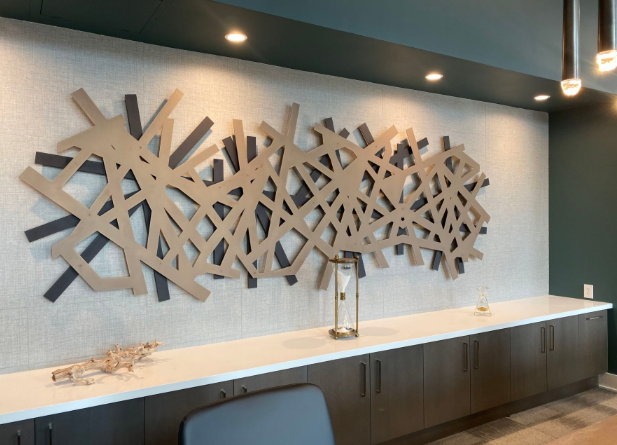
Merging Structural Integrity with Artistic Vision
The fundamental advantage of metal is its strength-to-weight ratio. This allows for the creation of slender profiles, cantilevered structures, and minimalist forms that would be impossible with traditional materials like wood or plastic. Custom metal furniture fabrication enables complex engineering, ensuring that a delicate-looking table base or a thin, floating shelf maintains exceptional stability and longevity, particularly in high-traffic commercial environments. This synthesis of structural necessity and refined design is what distinguishes a piece created through custom metal furniture fabrication.
Why Customization is Essential for Modern Projects
In contemporary design, spatial constraints, unique branding requirements, and specific functional demands are common. Standard furniture rarely meets all these criteria. Custom metal furniture fabrication allows architects and designers to control every variable:
-
Dimensions: Ensuring a piece fits a niche or fills a vast atrium perfectly.
-
Material: Selecting the ideal metal (e.g., stainless steel for high-end polish, aluminum for lighter outdoor applications, or brass for warmth).
-
Function: Integrating bespoke features like hidden power outlets, specialized storage, or integrated lighting systems, all facilitated by expert custom metal furniture fabrication.
What Core Fabrication Techniques Drive Precision and Quality in Custom Metal Furniture Fabrication?
The precision and quality of custom metal furniture depend entirely on the fabrication techniques employed. The shift from manual craftsmanship to digitally controlled processes has revolutionized the industry, allowing for repeatability and complexity previously unimaginable in custom metal furniture fabrication.
Laser and Waterjet Cutting for Intricacy
Modern furniture design often demands intricate patterns and highly detailed components. Precision cutting technologies are non-negotiable for achieving high-quality results in custom metal furniture fabrication.
-
Laser Cutting: Ideal for rapid, high-precision cuts in thin to medium gauge metals. It ensures clean, smooth edges necessary for a refined finish on visible furniture parts.
-
Waterjet Cutting: Used for thicker materials, or non-ferrous metals that are heat-sensitive, the waterjet process avoids the heat-affected zone (HAZ) of laser cutting, maintaining the original material properties and resulting in superior edge quality for structural components in custom metal furniture fabrication.
Welding and Finishing: The Marks of Craftsmanship
After cutting, the components must be expertly joined and finished.
-
Welding: Specialized techniques like TIG (Tungsten Inert Gas) welding are essential for furniture, as they create extremely strong welds with minimal visual distortion. The welder’s skill is paramount in ensuring seams are virtually invisible on polished or brushed surfaces, a key differentiator in high-end custom metal furniture fabrication.
-
Finishing: The chosen finish defines the final aesthetic. Options include electroplating (chrome, nickel), powder coating for durable color, and specialized patinas on copper or brass for an aged look. The quality of surface preparation—sanding, grinding, and polishing—is critical for the finish to adhere properly and maintain its look over time in custom metal furniture fabrication.
How Does Material Selection Dictate the Performance and Aesthetic of Custom Metal Furniture Fabrication?
The choice of metal is a crucial decision, affecting the furniture’s weight, cost, durability, and visual temperature. A professional fabricator guides the client based on the piece’s intended use and environment.
Stainless Steel: Durability and Modern Elegance
Stainless steel is the premium choice for custom metal furniture fabrication that requires maximum resistance to corrosion, staining, and wear. It is particularly popular in:
-
Hospitality: Bar tops, high-use dining bases, and kitchen islands.
-
Outdoor Use: Due to its superior resistance to moisture and UV.
The most common types, 304 and 316, provide a sleek, modern aesthetic and exceptional longevity, a core benefit of custom metal furniture fabrication.
Aluminum and Brass: Versatility and Warmth
-
Aluminum: Lightweight and highly malleable, aluminum is often used for large-scale items or when portability is a concern. It accepts powder coatings exceptionally well and is cost-effective for complex profiles, making it a versatile material in custom metal furniture fabrication.
-
Brass and Copper: These materials offer warmth and richness that are highly sought after in luxury residential and boutique commercial settings. While softer than steel, they are usually fabricated into decorative components (like handles, accents, or thin trims) and are often chemically patinated to achieve a unique, historical character through custom metal furniture fabrication.
Beyond the Piece: Integrating Custom Metal Furniture Fabrication into Architectural Systems
The expertise of a comprehensive metal fabricator often extends beyond a single piece of furniture, integrating it into the larger architectural environment. This holistic approach ensures material consistency and design cohesion across a project.
Cohesion Across Architectural Applications
A key advantage of partnering with a versatile metal fabricator is the ability to maintain aesthetic consistency from the smallest furniture piece to the largest architectural element. For instance, a fabricator with a broad portfolio can ensure that the finish and pattern used on a custom reception desk created through custom metal furniture fabrication match the building’s façade or an interior ceiling system. This streamlined approach is critical in high-end design where every detail must align with the overall vision.
Functional Integration with Building Systems
In commercial spaces, furniture is often required to interface directly with the building’s structure or utilities. Custom metal furniture fabrication is essential for creating pieces that function as integrated systems:
-
Walkways & Platforms: While not furniture, the same fabrication standards used for industrial applications, such as heavy-duty walkways and platforms (as provided by Huijin), are applied to commercial furniture to ensure structural stability and compliance with commercial load requirements, demonstrating the foundational strength of custom metal furniture fabrication.
-
Enclosures: Custom-fabricated metal enclosures or cabinets often double as structural elements or concealment features for data and electrical infrastructure within a workspace, showcasing the core strength and adaptability derived from industrial expertise that underpins custom metal furniture fabrication.
What Are the Key Considerations When Specifying Custom Metal Furniture Fabrication?
To ensure a successful project, architects and designers must address several practical and technical questions early in the specification process for custom metal furniture fabrication.
Design for Manufacturability (DFM)
The most elegant digital design must be practically feasible. A reputable custom metal fabricator will employ DFM principles, reviewing the design to ensure it can be produced efficiently, affordably, and with maximum quality. This involves:
-
Joint Optimization: Simplifying complex joints without sacrificing aesthetics.
-
Tolerances: Ensuring dimensional tolerances are appropriate for metal shrinkage during welding, a common consideration in custom metal furniture fabrication.
-
Assembly Plan: Creating furniture that is easy to assemble and install on-site, a crucial step for large-scale pieces resulting from custom metal furniture fabrication.
Managing Cost and Lead Time
Custom metal furniture fabrication typically involves higher upfront costs than mass-produced items due to specialized engineering and individual handling. However, the long-term cost benefits—resulting from superior durability and zero replacement needs—often justify the investment. Lead times are influenced by material sourcing (especially specialty metals like copper or exotic alloys) and the complexity of the cutting and finishing processes. Clear communication with the fabricator regarding the timeline is essential for seamless project management in custom metal furniture fabrication.
Conclusion: The Lasting Value of Precision in Custom Metal Furniture Fabrication
Custom metal furniture fabrication represents a crucial intersection of high technology and refined artistry. It offers architects and designers the ultimate freedom to create pieces that are truly unique, incredibly durable, and perfectly adapted to their environment. By utilizing advanced techniques like laser cutting and employing robust materials with high-grade finishes, custom metal furniture fabrication ensures that the final design is not just a temporary furnishing but a lasting, functional piece of architecture.
