
Ornamental perforated sheet metal is a versatile material that can add both beauty and functionality to a wide range of projects, from architectural facades to industrial applications. Customizing this material allows you to achieve unique designs that suit your project’s requirements. In this article, we will explore how to customize ornamental perforated sheet metal, from understanding its types and materials to design considerations and installation techniques.
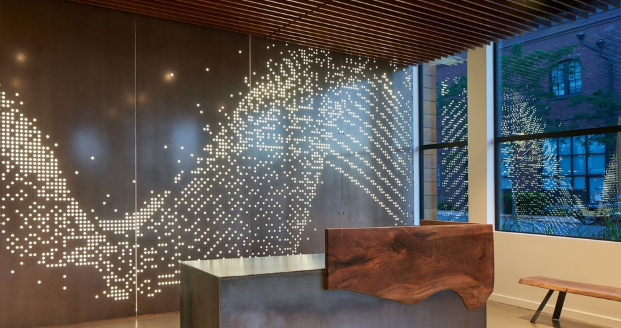
Understanding Ornamental Perforated Sheet Metal
Ornamental perforated sheet metal is metal that has been mechanically pierced with a pattern or design, which can range from simple geometric shapes to intricate patterns. These sheets are widely used in both industrial and architectural applications due to their flexibility, durability, and aesthetic appeal.
The process of perforating metal involves using specialized machinery to punch holes, slots, or other shapes into the metal sheet. The material can be made from a variety of metals, including stainless steel, aluminum, and mild steel. Depending on the project, ornamental perforated sheet metal can be customized to provide both decorative and functional benefits, such as providing ventilation, light filtration, or privacy.
Key Factors to Consider When Customizing Ornamental Perforated Sheet Metal
When customizing ornamental perforated sheet metal for your project, several factors must be considered to ensure the final product meets your design and functional needs.
1. Material Selection
The choice of material is one of the first decisions when customizing ornamental perforated sheet metal. Stainless steel and aluminum are two of the most commonly used materials due to their strength, durability, and resistance to corrosion. However, depending on the specific application, other materials like galvanized steel or copper may also be appropriate.
- Stainless Steel: Ideal for high-strength applications and environments with harsh conditions. It is resistant to corrosion and stains, making it suitable for both industrial and architectural projects.
- Aluminum: Lightweight and resistant to corrosion, aluminum is commonly used for architectural projects where both aesthetic appeal and functionality are important.
- Mild Steel: Often used for more budget-conscious projects, though it may require additional coatings to protect against rust and corrosion.
2. Design Patterns and Hole Sizes
The design of the perforated pattern plays a crucial role in the appearance and functionality of the sheet metal. Ornamental perforated sheet metal can be customized with various hole patterns, including round, square, hexagonal, or custom shapes. The size, spacing, and arrangement of the holes will affect the sheet’s light transmission, airflow, and overall look.
- Round Holes: A classic pattern, round holes provide a clean, uniform look that works well for both industrial and decorative purposes.
- Custom Patterns: For projects that require a unique design, custom patterns can be created to fit specific aesthetic or functional requirements.
- The size of the holes can also vary, and this will influence the material’s strength and the amount of airflow or light filtration. Smaller holes provide greater structural integrity, while larger holes allow for more light and air to pass through.
3. Thickness and Gauge of the Metal
The thickness or gauge of the ornamental perforated sheet metal will impact its strength, weight, and durability. Thicker materials are ideal for heavy-duty applications such as industrial walkways and platforms, where strength is essential. Thinner materials, on the other hand, are more suitable for decorative elements in architectural projects like facades, screens, and partition walls.
The gauge of the metal will also determine how easily it can be formed and shaped. For custom ornamental patterns, working with a thinner gauge can provide more flexibility and allow for more intricate designs.
4. Edge Finishing
Edge finishing is an important step when customizing ornamental perforated sheet metal. The edges of the metal can be sharp and may require further processing to ensure safety and aesthetic appeal. There are several ways to finish the edges, including:
- Deburring: This process removes any sharp edges that may result from the perforation process.
- Bevelling: Bevelling the edges can give the metal a more polished and refined look, particularly for architectural applications.
- Bending: In some cases, the edges of the perforated metal may need to be bent to fit the project’s design specifications.
5. Surface Treatment and Coatings
To enhance the longevity and appearance of ornamental perforated sheet metal, surface treatments and coatings are often applied. This is especially important in outdoor applications or environments where the metal may be exposed to moisture, chemicals, or extreme temperatures.
- Powder Coating: This method involves applying a dry powder to the metal surface, which is then cured to form a hard, durable finish. Powder coating can be done in a variety of colors, allowing you to match the design of your project.
- Anodizing: For aluminum perforated sheets, anodizing creates a protective oxide layer that enhances corrosion resistance and can also provide a matte or glossy finish.
- Galvanizing: This process involves coating the metal with a layer of zinc to prevent rust and corrosion, making it ideal for outdoor applications.
6. Applications of Ornamental Perforated Sheet Metal
Ornamental perforated sheet metal has a wide range of applications in both industrial and architectural projects. Some common uses include:
- Building Facades: Perforated sheets can be used as cladding for buildings, providing both aesthetic appeal and functional benefits such as shading and ventilation.
- Screens and Partitions: Decorative perforated sheets can be used to create partitions in offices, lobbies, or outdoor spaces, offering privacy without sacrificing light or airflow.
- Walkways and Platforms: In industrial settings, ornamental perforated sheet metal is often used for walkways, platforms, and grating, where it provides strength and safety while allowing for drainage and airflow.
- Ceiling Systems: Perforated ceiling panels are popular in commercial and residential interiors, offering both acoustic benefits and visual interest.
7. Installation Considerations
When installing ornamental perforated sheet metal, it is important to ensure that the sheets are properly secured and aligned. Depending on the application, the metal sheets may need to be welded, bolted, or clipped into place. For outdoor or large-scale installations, it may be necessary to work with professional installers who are familiar with the specific requirements for handling and mounting perforated sheets.
Conclusion
Customizing ornamental perforated sheet metal is an effective way to enhance the aesthetic and functional aspects of any project. By carefully considering material, design, thickness, and surface treatment options, you can create a customized solution that meets both design and performance requirements. Whether for industrial, architectural, or decorative use, ornamental perforated sheet metal is a versatile and durable option that can elevate your project to the next level.
