
Understanding Entrance Floor Grating Steel
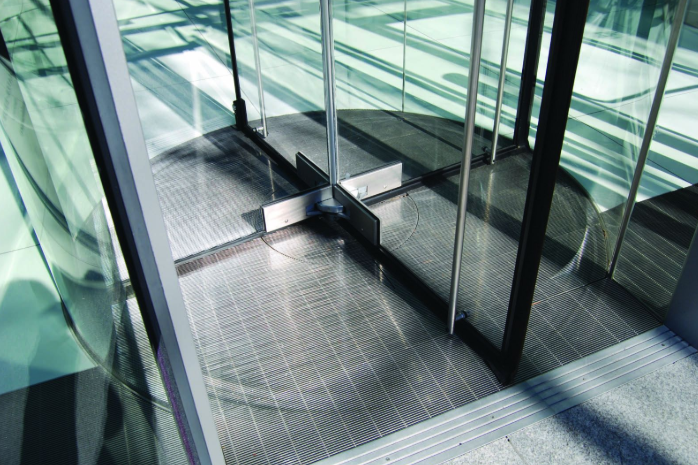
Entrance floor grating steel is a robust, open-grid flooring system designed to handle heavy foot traffic while ensuring safety and durability. Typically made from materials like stainless steel, carbon steel, or aluminum, floor grating steel consists of parallel bars (bearing bars) connected by crossbars, forming a grid-like structure. This design allows for excellent drainage, debris collection, and slip resistance, making it ideal for entrances in industrial and commercial settings.
Composition and Structure of Floor Grating Steel
Floor grating steel is characterized by its rigid, open framework. The bearing bars, which carry the primary load, are spaced evenly and connected by perpendicular crossbars. This construction ensures high strength-to-weight ratios, allowing floor grating steel to support heavy loads without compromising structural integrity. The open design facilitates the passage of water, dirt, and debris, reducing maintenance needs in high-traffic areas.
Applications of Floor Grating Steel
Floor grating steel is widely used in environments requiring durability and safety. Common applications include:
-
Industrial Settings: Factories, warehouses, and construction sites use floor grating steel for walkways, platforms, and stair treads due to its load-bearing capacity.
-
Commercial Entrances: Retail stores, office buildings, and public facilities employ floor grating steel to manage dirt and moisture at entry points.
-
Outdoor Use: Floor grating steel is ideal for outdoor walkways and ramps, where weather resistance and drainage are critical.
For example, Huijin metal meshes provide high-quality floor grating steel that meets these diverse needs, ensuring safety and longevity.
Benefits of Floor Grating Steel
The advantages of floor grating steel include:
-
Durability: Resistant to corrosion, wear, and extreme weather when treated with coatings like galvanization.
-
Safety: The open-grid design offers excellent slip resistance, reducing the risk of accidents in wet or oily conditions.
-
Low Maintenance: Debris passes through the grating, minimizing cleaning efforts.
-
Customizability: Available in various sizes, materials, and finishes to suit specific project requirements.
Exploring Entrance Floor Grids
Entrance floor grids, while similar to floor grating steel, are designed with a focus on aesthetic appeal and functionality in architectural settings. Floor grids often feature a tighter mesh or grid pattern, which can be made from materials like stainless steel, aluminum, or even reinforced plastics. These systems prioritize debris collection and pedestrian comfort while maintaining a polished look suitable for commercial or public spaces.
Composition and Structure of Floor Grids
Floor grids typically have a finer mesh or a more intricate pattern compared to floor grating steel. The grid may include smaller openings, sometimes filled with materials like rubber or carpet inserts to enhance comfort and dirt-trapping capabilities. Unlike the heavy-duty bearing bars of floor grating steel, floor grids often use thinner profiles to achieve a sleeker appearance while still providing adequate support.
Applications of Floor Grids
Floor grids are commonly found in architectural and commercial environments, including:
-
Retail and Office Entrances: Floor grids are used in lobbies and entryways to capture dirt and moisture while maintaining a professional aesthetic.
-
Public Buildings: Museums, airports, and train stations use floor grids for their ability to combine functionality with design.
-
Interior Design: Floor grids can serve as decorative flooring elements in spaces requiring both style and utility, such as shopping malls or hotels.
Benefits of Floor Grids
The key advantages of floor grids include:
-
Aesthetic Appeal: Floor grids offer a polished look, often customizable with finishes or inserts to match building interiors.
-
Debris Management: Smaller openings effectively trap dirt and moisture, keeping interiors cleaner.
-
Comfort: Inserts like rubber or carpet provide a softer walking surface, ideal for high-traffic public spaces.
-
Versatility: Suitable for both indoor and outdoor use, depending on material selection.
Key Differences Between Floor Grating Steel and Floor Grids
While both entrance floor grating steel and floor grids serve as effective flooring solutions, their differences lie in design, application, and performance. Below is a detailed comparison to highlight these distinctions.
Design and Construction
-
Floor Grating Steel: Features a robust, open-grid design with larger openings and thicker bearing bars. This structure prioritizes load-bearing capacity and drainage, making it ideal for heavy-duty applications.
-
Floor Grids: Have a finer mesh or tighter grid pattern, often with smaller openings or inserts. This design focuses on aesthetics and debris collection, catering to architectural environments.
Material Choices
-
Floor Grating Steel: Typically constructed from durable metals like carbon steel, stainless steel, or aluminum, often galvanized for corrosion resistance. These materials ensure floor grating steel can withstand harsh conditions and heavy loads.
-
Floor Grids: While metals like stainless steel or aluminum are common, floor grids may also incorporate non-metal materials like rubber or plastic inserts for added functionality or comfort.
Load-Bearing Capacity
-
Floor Grating Steel: Designed for high load-bearing applications, floor grating steel can support heavy machinery, vehicles, or large crowds, making it a staple in industrial settings.
-
Floor Grids: While capable of supporting pedestrian traffic, floor grids are generally less suited for heavy loads, focusing instead on lighter commercial or decorative use.Aesthetic and Functional Focus
-
Floor Grating Steel: Prioritizes functionality, with a rugged appearance suited for industrial or utilitarian environments. Its open design ensures drainage and safety over visual appeal.
-
Floor SD1/Floor Grids: Emphasize a balance between functionality and aesthetics, offering a sleeker look suitable for high-end commercial or public spaces.
Maintenance and Cleaning
-
Floor Grating Steel: Requires minimal maintenance due to its open design, which allows debris to fall through. Cleaning typically involves removing large debris or hosing down the surface.
-
Floor Grids: May require more frequent cleaning, especially when equipped with inserts that trap dirt and moisture, necessitating regular vacuuming or replacement of inserts.
Choosing the Right Option for Your Needs
Selecting between entrance floor grating steel and floor grids depends on the specific requirements of your project. Below are key considerations to guide your decision.
Factors to Consider
-
Traffic Type: For heavy pedestrian or vehicular traffic, floor grating steel is the better choice due to its superior load-bearing capacity. For lighter foot traffic in aesthetic-focused spaces, floor grids are more suitable.
-
Environment: Outdoor or industrial environments benefit from the durability and drainage of floor grating steel, while indoor commercial spaces may favor the polished look of floor grids.
-
Maintenance Needs: If low maintenance is a priority, floor grating steel is preferable. For spaces requiring a cleaner interior, floor grids with debris-trapping features are ideal.
-
Budget and Customization: Floor grating steel is often more cost-effective for large-scale industrial applications, while floor grids may involve higher costs due to aesthetic enhancements or inserts.
Practical Examples
A factory entrance with heavy machinery traffic would benefit from floor grating steel to ensure safety and durability.
A luxury hotel lobby would opt for floor grids with carpet inserts to maintain a clean, upscale appearance while managing debris.
Installation and Maintenance Tips for Floor Grating Steel and Grids
Proper installation and maintenance are critical to maximizing the lifespan and performance of both floor grating steel and floor grids.
Installation Best Practices
-
Floor Grating Steel: Ensure proper anchoring to withstand heavy loads. Use corrosion-resistant materials like galvanized or stainless steel for outdoor installations.
-
Floor Grids: Align grids with the building’s aesthetic, ensuring inserts are securely fitted to prevent movement. Verify load ratings for specific traffic conditions.
Maintenance Guidelines
-
Floor Grating Steel: Periodically inspect for corrosion or damage, especially in outdoor settings. Clean with water or compressed air to remove debris.
-
Floor Grids: Regularly vacuum or replace inserts to maintain debris-trapping efficiency. Check for wear in high-traffic areas and replace components as needed.
Conclusion
Entrance floor grating steel and floor grids offer distinct advantages tailored to different environments. Floor grating steel excels in industrial settings, providing unmatched durability, safety, and low maintenance for heavy-duty applications. Floor grids, on the other hand, shine in architectural spaces, combining functionality with aesthetic appeal. By understanding their differences in design, material, and application, you can select the ideal flooring solution to meet your project’s specific needs, ensuring safety, durability, and performance.
