
Metal fabrication refers to the process of shaping, cutting, and assembling metal into finished products. It has existed for centuries, yet in today’s industrial and architectural world, it has evolved into a high-tech and precision-driven field. The three main types of metal fabrication are cutting, forming, and assembling. Each method involves distinct tools, techniques, and applications. Understanding these categories is crucial when exploring how custom metal fabrications are tailored for different industries, from construction and automotive to furniture and architectural decoration.
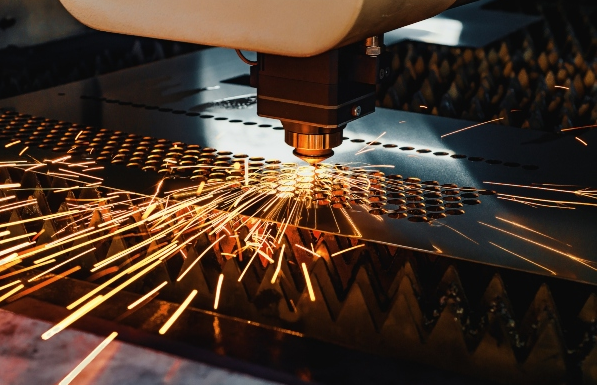
Why Is Cutting Important in Custom Metal Fabrications?
Cutting is the most basic and widely used method of metal fabrication. It involves removing sections of metal to achieve the desired shape or size. With the development of technology, cutting methods have advanced from simple manual tools to highly precise digital systems.
Traditional Cutting Techniques
In the past, cutting was primarily done using hacksaws, chisels, or manual shears. While effective for small projects, these methods lacked precision and efficiency.
Modern Cutting Technologies
Today, cutting is largely dominated by advanced machinery such as:
-
Laser cutting – Allows extremely fine detail and smooth edges, ideal for complex designs in custom metal fabrications.
-
Plasma cutting – Uses ionized gas to cut thick sheets of metal quickly.
-
Waterjet cutting – A precise, heat-free method that works even for delicate metals.
Applications of Cutting
Cutting is used across countless industries. For example, in architectural design, precise cutting enables the creation of intricate patterns for facades or fencing. In industrial contexts, it ensures that metal sheets and structures fit accurately during assembly.
How Does Forming Work in Custom Metal Fabrications?
Forming involves bending, stretching, or pressing metal into a specific shape without removing material. This is particularly valuable in industries that need durability and flexibility in design.
Techniques in Metal Forming
-
Bending – Performed with press brakes, allowing metal sheets to be bent at precise angles.
-
Rolling – Creates cylindrical or curved shapes, often used in pipelines and tanks.
-
Stamping and forging – Heavy machinery presses or hammers metal into molds, producing strong components.
Advantages of Forming
Forming allows for strong, seamless parts that retain material strength. This makes it ideal for custom metal fabrications in automotive frames, building reinforcements, and decorative panels.
Examples in Industry
In architectural projects, forming creates curved ceiling systems or wave-like facades. In industrial sectors, forming is used to build machine components that must withstand extreme forces.
Why Is Assembly a Key Process in Custom Metal Fabrications?
Assembly refers to joining metal parts to form a final structure or product. Without assembly, individual components would remain incomplete and unusable.
Assembly Methods
-
Welding – Fusing metals together with heat.
-
Bolting and riveting – Mechanical fastening techniques, often used in construction.
-
Adhesive bonding – Specialized adhesives that bind metals where welding or bolts are not suitable.
Role in Custom Metal Fabrications
Assembly enables complex projects to come to life. For example, in construction, assembled walkways and platforms provide safety and durability. In furniture design, assembly ensures flexibility and modern aesthetics.
Applications Across Industries
From industrial enclosures to architectural fences, assembly is the final step that ensures strength, stability, and usability. Companies such as Huijin Metal Meshes rely on advanced assembly methods to deliver products suited for both industrial and decorative purposes.
How Do Custom Metal Fabrications Support Industrial Applications?
In industrial settings, custom metal fabrications are critical. They provide tailored solutions that improve safety, efficiency, and durability.
Enclosures and Filters
Fabricated metal is used to produce protective enclosures for machinery and filtration systems for clean air or liquids.
Walkways and Platforms
Safety platforms and construction walkways rely on fabricated metal for strength and resistance to heavy loads.
Shelving and Storage
Industrial storage systems are designed with custom-fabricated shelves to handle specific weight capacities and space requirements.
How Do Custom Metal Fabrications Shape Architectural Design?
Architectural uses of fabricated metal go far beyond practicality—they also enhance aesthetics.
Facades and Cladding
Metal facades offer a blend of strength and decorative appeal. Designers use custom metal fabrications to create unique building exteriors.
Ceiling Systems
Fabricated metals allow innovative ceiling designs that combine acoustics, lighting integration, and beauty.
Fences and Decorative Elements
Custom fences and ornamental panels serve both security and visual functions. For example, Huijin Metal Meshes produces architectural metal meshes that double as decoration and functional barriers.
What Role Do Materials Play in Custom Metal Fabrications?
The choice of metal significantly impacts performance and appearance.
-
Steel – Known for strength and versatility, widely used in both construction and machinery.
-
Aluminum – Lightweight and corrosion-resistant, ideal for architectural applications.
-
Copper and brass – Offer aesthetic appeal and conductivity, used in decorative panels and electronics.
Material selection is central to ensuring that custom metal fabrications meet the specific demands of each project.
Why Are Custom Metal Fabrications Essential in Modern Industry?
Efficiency and Innovation
Custom solutions reduce waste, increase efficiency, and allow industries to stay competitive.
Sustainability
With eco-friendly practices, fabricated metal products can be recycled and reused, aligning with global sustainability goals.
Future Trends
The future of custom metal fabrications lies in automation, robotics, and digital manufacturing, which will provide even higher precision and design flexibility.
Conclusion
Metal fabrication is a cornerstone of industrial and architectural development. The three main processes—cutting, forming, and assembly—make it possible to transform raw metal into countless practical and artistic applications. From structural frameworks to decorative facades, custom metal fabrications bridge the gap between functionality and creativity. As industries continue to innovate, the demand for precision, efficiency, and sustainability in fabrication will only grow.
