
Facade and cladding are often used interchangeably. Though the two words are related, they don’t refer to the same thing. In order to clarify the confusion surrounding this topic, let’s examine the difference between exterior wall cladding and facade.

What is a Facade?
In architecture and construction, a facade (sometimes spelled “facades”) refers to the front or outer appearance of a building, which is what is visible from the street or public spaces. It is the part of a building that serves as its “face” and provides the first impression to observers. The metal panel facade is an essential architectural element that plays a significant role in the building’s aesthetics, functionality, and overall design.
The facade of a building typically includes elements such as windows, doors, cladding materials (e.g., bricks, stone, metal, glass), architectural details, and decorative features. These elements are arranged and designed to create a visually pleasing and harmonious appearance that can reflect the building’s purpose, style, and the cultural context in which it is located.
Architects and designers often pay special attention to the design of a building’s facade as it can convey the building’s character and identity. Metal panel facades can range from simple and utilitarian designs to highly ornate and artistic expressions of architectural creativity.
For instance, when envisioning Buckingham Palace, the portion that overlooks The Mall is its facade. Similarly, the front-facing side of your residence that greets your neighbors is considered a facade, even if it lacks any specific cladding materials.
What Is Cladding?
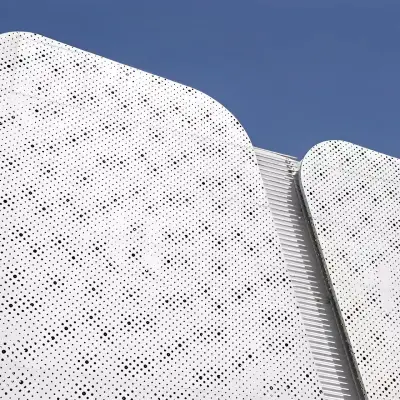
The exterior covering of a building or structure is known as cladding. Using cladding on a building, we are able to protect it from the elements, improve its appearance, and provide insulation. The selection of cladding materials typically depends on the aesthetics, environmental conditions, and functional requirements of the building. Cladding can be made of metal, wood, stone, brick, and glass.
Addedg aluminum cladding panels to a building can also improve its energy efficiency, add acoustics and reduce noise pollution. However, improper installation and maintenance can cause major problems, such as mold growth and structural damage.
Addedg aluminum cladding panels to a building can also improve its energy efficiency, add acoustics and reduce noise pollution. However, improper installation and maintenance can cause major problems, such as mold growth and structural damage.
Difference Between Cladding and Facade
Although both cladding and facade pertain to a building’s exterior, they are distinct concepts and should not be used interchangeably. Cladding can, however, contribute to the completion of a building’s outward-facing structure and may be considered a component of the facade. But what exactly constitutes a building’s facade?
The term “facade” specifically refers to a building’s primary external design, typically the side intentionally made to be visually appealing and oriented toward the street. It encompasses the visual aspects of a building, encompassing its style, architectural design, and color scheme.
The term “facade” specifically refers to a building’s primary external design, typically the side intentionally made to be visually appealing and oriented toward the street. It encompasses the visual aspects of a building, encompassing its style, architectural design, and color scheme.
For instance, when envisioning Buckingham Palace, the portion that overlooks The Mall is its facade. Similarly, the front-facing side of your residence that greets your neighbors is considered a facade, even if it lacks any specific cladding materials.
4 Reasons Why You Should Consider Using Exterior Wall Cladding
1.Enhanced Energy Efficiency
Referred to as compact panels, exterior wall claddings serve as a protective shield for your building’s outer surface, acting as an insulating barrier that effectively regulates the interior temperature. Whether it’s the height of summer or the depth of winter, the installation of wall cladding significantly boosts your property’s energy efficiency. This not only translates to cost savings on energy bills but also ensures a more comfortable living or working environment for occupants.
2.Mitigation of Exterior Noise
In environments where external noise can disrupt work or affect occupants’ experiences, such as cinemas, recording studios, and office complexes, high-quality exterior wall cladding comes to the rescue. By selecting the right cladding material, you can achieve varying levels of sound isolation, effectively curbing the intrusion of external disturbances.
3.Defense Against Exterior Elements
The incorporation of exterior wall cladding provides a robust defense for your property against a myriad of external elements, including rain, hail, chemical pollutants, harsh sunlight, and dew. Furthermore, it bolsters the structural integrity of the building, reducing susceptibility to surface cracks. As a result, the need for costly repairs is minimized, if not entirely obviated.
4.Low Maintenance Requirements
Most varieties of external claddings demand little more than routine cleaning to retain their aesthetic allure. Exterior cladding delivers long-lasting protection with minimal maintenance costs. While the initial investment in wall cladding may raise concerns, it’s worth noting that their cost-effectiveness in terms of maintenance, especially when compared to alternatives like paint, makes them a truly worthwhile asset.
Choose Best Perforated Facade Panels from Huijinmaterials
Selecting the best perforated facade panels from Huijinmaterials offers several advantages for your architectural and construction needs. Huijin Materials is known for its high-quality products and a wide range of perforated facade panel options. Here’s why you might consider choosing them:
- Diverse Product Range: Huijinmaterials typically offers a wide selection of perforated facade panels, allowing you to choose from various materials, patterns, and designs to match your specific project requirements.
- Quality Assurance: Huijinmaterials is reputed for delivering top-notch quality in their products. Opting for their perforated facade panels ensures that you’re getting a reliable and durable solution that can withstand environmental factors.
- Customization: Depending on your project’s unique needs, Huijinmaterials may offer customization options. This allows you to tailor the perforated panels to your precise specifications, ensuring they complement your architectural vision.
- Aesthetics and Design: Perforated facade panels from Huijin Materials are designed not only for functionality but also for aesthetics. You can expect visually appealing designs that enhance the overall look of your building.
- Technical Support: Huijinmaterials often provides technical support and guidance to help you choose the right perforated panels for your project. Their expertise can be invaluable in making informed decisions.
- Environmental Considerations:Huijinmaterials may offer environmentally friendly and sustainable options, contributing to your project’s green building goals.
Conclusion
In summary, precise terminology plays a pivotal role in the design and construction of buildings. A clear distinction between cladding and facade is imperative for the development of a precise and efficient project blueprint.
Cladding primarily serves the function of shielding the structure from the elements, while the facade is responsible for crafting an external appearance that harmoniously mirrors the building’s purpose and character.
By acknowledging these distinctions, architects and builders can collaborate to craft structures that excel in both functionality and visual appeal.
With a more refined comprehension of the differences between cladding and facade, you can now proceed with confidence into your upcoming construction endeavors.
Cladding primarily serves the function of shielding the structure from the elements, while the facade is responsible for crafting an external appearance that harmoniously mirrors the building’s purpose and character.
By acknowledging these distinctions, architects and builders can collaborate to craft structures that excel in both functionality and visual appeal.
With a more refined comprehension of the differences between cladding and facade, you can now proceed with confidence into your upcoming construction endeavors.
