
When it comes to versatile and durable materials for various applications, expanded metal sheets stand out as a top choice. From industrial to architectural projects, these sheets have proven their worth in a multitude of ways. In this comprehensive guide, we’ll delve into everything you need to know about expanded metal sheets, including their types, applications, benefits, and how to choose the right one for your specific project.

What Are Expanded Metal Sheets?
Expanded metal sheets, often referred to as expanded metal mesh or expanded metal grating, are versatile materials made from sheets of metal that have been slit and stretched into a diamond-shaped pattern. This unique manufacturing process imparts several beneficial properties to expanded metal sheets, making them suitable for a wide range of applications.
How Are Expanded Metal Sheets Made?
Fabrication of expanded metal sheets involves stretching, slitting, and rolling sheet metal. In a machine, the metal is stretched and cut with an upper and lower blade to form diamond-shaped openings. In addition to providing structural bonding value, these openings give enlarged metal a mesh-like appearance after die-cutting. A rolling mill flattens the expanded metal sheet after die-cutting.
The fabrication process produces zero metal waste and crafts a strong, versatile metal product that can be wound into coils for various industrial applications as well as sheared into custom-sized sheets.
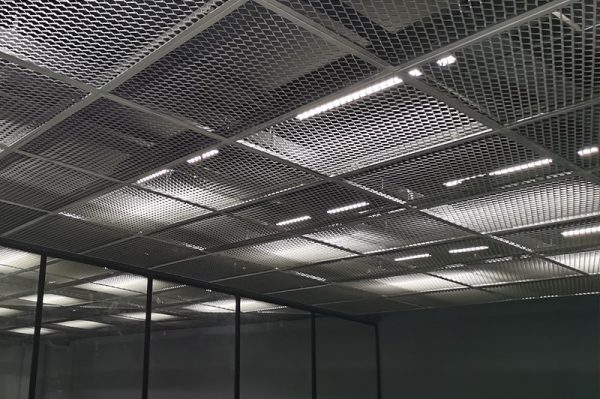
Types of Expanded Metal Sheets
Expanded metal sheets come in various types, each designed to meet specific needs:
Standard expanded metal sheets are widely available in a range of gauges and sizes. They feature a raised, slip-resistant base that makes them the most flexible and valuable sheet metal. They are made from sheet metal that has been pressed and die-cut at the same angle and set at the same angle. Raised expanded metal is often used as stair treads, trailer ramps, shelving, and other slip-resistant applications.Flattened Expanded Metal: These sheets are created by cold-rolling standard expanded metal, resulting in a smoother surface with a lower profile.
2. Expanded Metal Grating
Extended metal grating is an attractive, low-maintenance alternative to the traditional welded metal product. Without joints or welds, stretched metal grating is ideal for fire protection and preventing dirt, snow, grease, and other accumulations.
3. Flattened Expanded Metal
The flattened expanded metal grating is made by passing standard rolled metal through a cold-rolled reducing mill. As a result of this process, standard expanded metal’s raised bonds are flattened, and its thickness and weight are reduced. This creates a smooth, flat surface. Agricultural, commercial, and automotive industries benefit from this material.
The flattened expanded metal grating is made by passing standard rolled metal through a cold-rolled reducing mill. As a result of this process, standard expanded metal’s raised bonds are flattened, and its thickness and weight are reduced. This creates a smooth, flat surface. Agricultural, commercial, and automotive industries benefit from this material.
4. Micro Mesh
Micro Mesh With finer openings, micro mesh expanded metal sheets are ideal for applications requiring precision filtration or separation.
Applications of Expanded Metal Sheets
Considering the versatility, strength, and strength of expanded metal sheets, they have wide applications across many industries. Since the die-cutting is adjustable, expanded metal sheets can be used for a number of decorative purposes, whether they are used for architectural screens, sculptural artworks, or other commercial designs.
Here’s a non-exhaustive list of expanded metal sheet applications:
Here’s a non-exhaustive list of expanded metal sheet applications:
- Machine and window guards
- Catwalks, platforms, and stair treads
- Screens and flooring
- Railing mesh on stairways, balconies, and construction sites
- Conveyor belts
- Racks and shelving
- Fire pits and grills
- Sound proofing
- Stereos and microphones
- Outdoor equipment, park benches and other playground equipment
- Air and fluid filters/strainers
- Shielding
- Ventilation Systems
- Decorative dividers and partitions
- Security Walls, Ceilings, Floors, Doors
- Concrete Reinforcements
- Greenhouses
Benefits of Expanded Metal Sheets
The use of expanded metal sheets offers several advantages:
- Strength and Durability: Expanded metal sheets are known for their robustness and longevity, making them suitable for heavy-duty applications.
- Lightweight: Despite their strength, expanded metal sheets are surprisingly lightweight, reducing transportation and installation costs.
- Ventilation and Visibility: These sheets allow for excellent airflow and visibility, making them ideal for security applications.
- Customizability: Expanded metal sheets come in various materials, sizes, and patterns, offering flexibility for customization.
- Cost-Effective: Their longevity and low maintenance requirements make expanded metal sheets cost-effective in the long run.
What are Common Expanded Metal Terms?
Common terms associated with expanded metal include:
Expanded Metal: The primary material formed by slitting and stretching sheets of metal, creating a mesh-like pattern with uniform openings.
Strand: The metal strip that remains connected at regular intervals during the expansion process, forming the framework of the expanded metal sheet.
Bond: The junction where strands intersect or overlap, contributing to the structural integrity of the expanded metal sheet.
SWD (Short Way of Diamond): The measurement of the shortest distance between two adjacent strands, indicating the smaller dimension of the diamond-shaped openings in the expanded metal.
LWD (Long Way of Diamond): The measurement of the longest distance between two adjacent strands, indicating the larger dimension of the diamond-shaped openings in the expanded metal.
Strand Width: The width of an individual metal strip in the expanded metal sheet, which can vary depending on the desired design and application.
Strand Thickness: The gauge or thickness of the metal strip used to create the expanded metal sheet, impacting its strength and durability.
Flattened: A type of expanded metal sheet that has undergone a cold-rolling process, resulting in a smoother surface and reduced thickness compared to standard expanded metal.
Micro Mesh: Expanded metal sheets with very fine openings, suitable for precision filtration and separation applications.
Raised: Expanded metal sheets with raised diamond patterns, which enhance traction and are often used in walkways, stairs, and similar applications.
Standard Expanded Metal: The most common type of expanded metal with regular diamond-shaped openings.
Expanded Metal Grating: Expanded metal sheets designed specifically for use as walkway gratings, offering both strength and slip resistance.
Flattening: The process of reducing the thickness of expanded metal sheets by cold rolling, creating a smoother surface and lower profile.
Shearing: The cutting of expanded metal sheets into specific shapes or dimensions to fit particular applications.
Punching: The process of creating holes or perforations in expanded metal sheets, often used for ventilation or decorative purposes.
Powder Coating: The application of a powder coating finish to expanded metal sheets, enhancing their aesthetics and providing protection against corrosion.
Galvanized: A common surface treatment for expanded metal sheets, involving the application of a layer of zinc to prevent rust and corrosion.
Walkway: Expanded metal sheets designed for use as walkway surfaces, offering stability and anti-slip properties.
Security Mesh: Expanded metal sheets often used in security applications, such as fencing and window grilles, due to their strength and intruder-deterrent properties.
Ventilation: The use of expanded metal sheets for providing airflow while maintaining security, commonly used in HVAC systems and machinery enclosures.
Expanded Metal: The primary material formed by slitting and stretching sheets of metal, creating a mesh-like pattern with uniform openings.
Strand: The metal strip that remains connected at regular intervals during the expansion process, forming the framework of the expanded metal sheet.
Bond: The junction where strands intersect or overlap, contributing to the structural integrity of the expanded metal sheet.
SWD (Short Way of Diamond): The measurement of the shortest distance between two adjacent strands, indicating the smaller dimension of the diamond-shaped openings in the expanded metal.
LWD (Long Way of Diamond): The measurement of the longest distance between two adjacent strands, indicating the larger dimension of the diamond-shaped openings in the expanded metal.
Strand Width: The width of an individual metal strip in the expanded metal sheet, which can vary depending on the desired design and application.
Strand Thickness: The gauge or thickness of the metal strip used to create the expanded metal sheet, impacting its strength and durability.
Flattened: A type of expanded metal sheet that has undergone a cold-rolling process, resulting in a smoother surface and reduced thickness compared to standard expanded metal.
Micro Mesh: Expanded metal sheets with very fine openings, suitable for precision filtration and separation applications.
Raised: Expanded metal sheets with raised diamond patterns, which enhance traction and are often used in walkways, stairs, and similar applications.
Standard Expanded Metal: The most common type of expanded metal with regular diamond-shaped openings.
Expanded Metal Grating: Expanded metal sheets designed specifically for use as walkway gratings, offering both strength and slip resistance.
Flattening: The process of reducing the thickness of expanded metal sheets by cold rolling, creating a smoother surface and lower profile.
Shearing: The cutting of expanded metal sheets into specific shapes or dimensions to fit particular applications.
Punching: The process of creating holes or perforations in expanded metal sheets, often used for ventilation or decorative purposes.
Powder Coating: The application of a powder coating finish to expanded metal sheets, enhancing their aesthetics and providing protection against corrosion.
Galvanized: A common surface treatment for expanded metal sheets, involving the application of a layer of zinc to prevent rust and corrosion.
Walkway: Expanded metal sheets designed for use as walkway surfaces, offering stability and anti-slip properties.
Security Mesh: Expanded metal sheets often used in security applications, such as fencing and window grilles, due to their strength and intruder-deterrent properties.
Ventilation: The use of expanded metal sheets for providing airflow while maintaining security, commonly used in HVAC systems and machinery enclosures.
Why Is a 4×8 Expanded Metal Sheet the Most Common Size?
4 x 8 is a standard size for expanded metal sheet. It provides weight and metal savings while conveniently fitting a wide range of common and specialty applications.
Choosing the Right Expanded Metal Sheet
Selecting the appropriate expanded metal sheet for your project involves considering factors like material, opening size, thickness (gauge), and finish. Consulting with experts in the field can help you make an informed decision tailored to your specific requirements.
In conclusion, expanded metal sheets offer a wide array of benefits and applications, from enhancing architectural designs to ensuring security and durability in industrial settings. By understanding the types, applications, and benefits of expanded metal sheets, you can make informed choices for your projects and harness the full potential of this versatile material.
For more information or assistance in choosing the right expanded metal sheet for your needs, feel free to contact Huijinmaterials, your trusted partner in metal solutions.
In conclusion, expanded metal sheets offer a wide array of benefits and applications, from enhancing architectural designs to ensuring security and durability in industrial settings. By understanding the types, applications, and benefits of expanded metal sheets, you can make informed choices for your projects and harness the full potential of this versatile material.
For more information or assistance in choosing the right expanded metal sheet for your needs, feel free to contact Huijinmaterials, your trusted partner in metal solutions.
