
Key Factors in Choosing Rabbit Cage Wire Mesh
Selecting the right rabbit cage wire mesh involves balancing safety, durability, and functionality. Several factors influence the choice of mesh size and material, each tailored to the specific needs of rabbits and their environments.
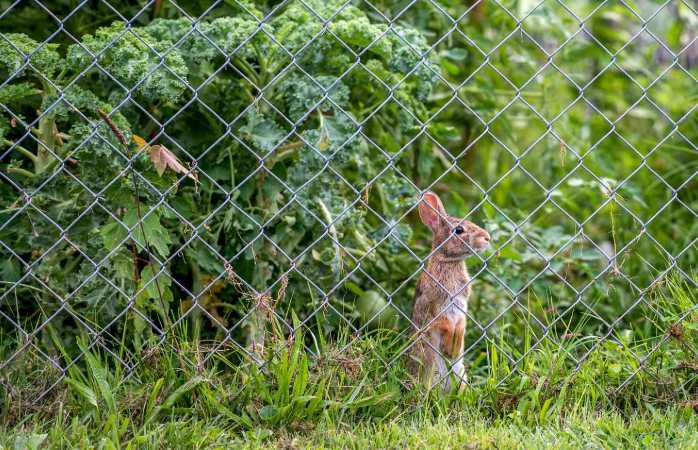
Mesh Size and Spacing
The size of the openings in rabbit cage wire mesh is one of the most critical factors. For adult rabbits, a mesh size with openings of approximately 1/2 inch by 1 inch (12.7 mm x 25.4 mm) is commonly recommended. This size prevents rabbits from escaping or getting their heads or limbs stuck while allowing adequate ventilation and visibility.
For baby rabbits (kits), a smaller mesh size, such as 1/4 inch by 1/4 inch (6.35 mm x 6.35 mm), is necessary to prevent escapes and ensure safety. The smaller openings also reduce the risk of injury from sharp edges or protrusions.
Wire Gauge and Strength
The thickness of the wire, measured by its gauge, determines the durability and strength of rabbit cage wire mesh. A 14-gauge to 16-gauge wire is typically recommended for rabbit cages. This gauge provides sufficient strength to withstand chewing and scratching while remaining lightweight for easy handling.
Thicker wires (lower gauge numbers) are more robust but may increase the weight and cost of the cage. Conversely, thinner wires (higher gauge numbers) may be less durable and more prone to damage from persistent chewing.
Material Selection
Rabbit cage wire mesh is commonly made from galvanized steel, stainless steel, or coated materials. Each material has distinct advantages:
-
Galvanized Steel: Widely used due to its affordability and rust resistance, galvanized steel is suitable for indoor and outdoor rabbit cages. However, prolonged exposure to moisture may require periodic maintenance to prevent corrosion.
-
Stainless Steel: More expensive but highly durable and resistant to rust, stainless steel is ideal for long-term use and environments with high humidity.
-
Vinyl-Coated Wire: This type of rabbit cage wire mesh features a protective coating that enhances rust resistance and provides a smoother surface, reducing the risk of injury to rabbits.
Huijin metal meshes, known for their high-quality construction, offer options in these materials, making them suitable for rabbit cage applications.
Safety Considerations for Rabbit Cage Wire Mesh
Safety is paramount when designing rabbit cages, as improper wire mesh can lead to injuries or escapes. The following considerations ensure the rabbit cage wire mesh meets safety standards.
Preventing Foot Injuries
Rabbits have sensitive feet, and improper mesh sizing can cause discomfort or injuries like sore hocks. A mesh with openings that are too large may allow a rabbit’s foot to slip through, while a mesh that is too fine may not provide enough support. To mitigate this, some rabbit cages use a combination of wire mesh for the sides and a solid or smaller mesh floor, such as 1/2 inch by 1/2 inch, to support the rabbit’s weight comfortably.
Avoiding Sharp Edges
High-quality rabbit cage wire mesh should have smooth, rounded edges to prevent cuts or abrasions. During installation, ensure that cut edges are filed down or covered with protective trim. Huijin metal meshes are designed with precision, minimizing sharp edges and ensuring a safer enclosure.
Chew Resistance
Rabbits are natural chewers, and low-quality wire mesh may be susceptible to damage. Choosing a durable material like galvanized or stainless steel ensures the rabbit cage wire mesh withstands chewing attempts, maintaining the cage’s integrity over time.
Practical Applications of Rabbit Cage Wire Mesh
Rabbit cage wire mesh is used in various settings, from home pet enclosures to large-scale breeding facilities. Its versatility makes it a popular choice for different types of rabbit cages.
Home Pet Cages
For pet owners, rabbit cage wire mesh provides a secure and ventilated enclosure that allows rabbits to interact with their surroundings. A typical home cage might use 1/2 inch by 1 inch galvanized steel mesh for the sides and a smaller mesh or solid material for the floor to ensure comfort.
Commercial Breeding Facilities
In commercial settings, rabbit cage wire mesh must support higher volumes of rabbits while maintaining hygiene and durability. Stainless steel mesh with 1/2 inch by 1 inch openings is often preferred for its longevity and ease of cleaning, reducing the risk of disease transmission.
Outdoor Hutches
Outdoor rabbit cages require weather-resistant rabbit cage wire mesh, such as galvanized or vinyl-coated steel, to withstand moisture and temperature fluctuations. Proper mesh sizing ensures ventilation while protecting rabbits from predators.
Installation and Maintenance of Rabbit Cage Wire Mesh
Proper installation and maintenance of rabbit cage wire mesh are essential for ensuring longevity and safety.
Installation Tips
-
Secure Fastening: Use sturdy fasteners, such as clips or screws, to attach the wire mesh to the cage frame. Ensure there are no gaps where rabbits could escape.
-
Floor Support: If using wire mesh for the cage floor, provide a resting mat or solid area to prevent foot injuries.
-
Custom Cutting: Huijin metal meshes can be easily cut to fit custom cage dimensions, allowing for tailored designs to meet specific needs.
Maintenance Practices
-
Regular Cleaning: Clean the rabbit cage wire mesh regularly to remove waste and prevent bacterial buildup. Stainless steel and vinyl-coated meshes are easier to clean and maintain.
-
Inspection for Wear: Check the mesh for signs of rust, chewing damage, or loose connections. Replace damaged sections promptly to maintain security.
-
Rust Prevention: For galvanized steel meshes, apply a rust-resistant coating if used in humid environments to extend the mesh’s lifespan.
Challenges and Solutions for Rabbit Cage Wire Mesh
While rabbit cage wire mesh is highly effective, certain challenges may arise, particularly in balancing cost, durability, and rabbit comfort.
Balancing Cost and Quality
High-quality materials like stainless steel are more expensive, which may be a concern for large-scale operations. Galvanized steel offers a cost-effective alternative without compromising significantly on durability, making it a practical choice for many applications.
Ensuring Ventilation and Security
Smaller mesh sizes enhance security but may reduce ventilation. To address this, designers can incorporate larger mesh sizes for side panels while using smaller mesh for areas requiring higher security, such as near the cage bottom.
Addressing Rabbit Comfort
Wire mesh floors can be uncomfortable for rabbits if not designed properly. Providing solid resting areas or using smaller mesh sizes for flooring can improve comfort while maintaining the benefits of wire mesh construction.
Future Trends in Rabbit Cage Wire Mesh
Advancements in materials and manufacturing are shaping the future of rabbit cage wire mesh. Emerging trends include:
-
Eco-Friendly Materials: Sustainable, recyclable wire mesh options are gaining popularity, aligning with environmental concerns.
-
Smart Cages: Integration of sensors into rabbit cage wire mesh to monitor environmental conditions like temperature and humidity, enhancing rabbit welfare.
-
Customizable Designs: Advances in manufacturing allow for more precise customization of mesh sizes and patterns, catering to specific cage requirements.
Summary
Choosing the right size for rabbit cage wire mesh is essential for creating safe, durable, and comfortable enclosures. A mesh size of 1/2 inch by 1 inch for adult rabbits and 1/4 inch by 1/4 inch for kits, combined with materials like galvanized or stainless steel, provides an optimal balance of security, ventilation, and durability. By considering safety, installation, and maintenance, rabbit owners and breeders can leverage the versatility of rabbit cage wire mesh to meet diverse needs, ensuring the well-being of their animals.
